What are Essential Oils?
- kaluja

- May 18
- 3 min read
The Basics
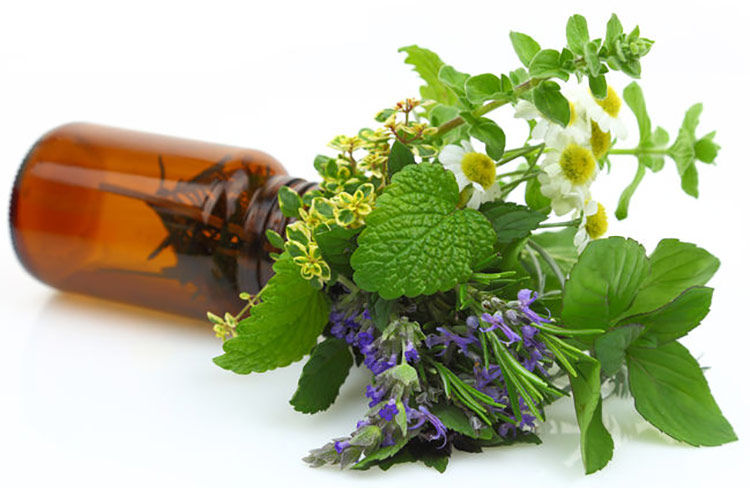
Essential oils are highly concentrated, aromatic liquids extracted from various parts of plants—like leaves, flowers, bark, roots, peels, or seeds. They capture the plant’s natural scent, flavour, and “essence” (which is where the name comes from).
People use them for aromatherapy, cleaning, skincare, natural remedies, and scenting products, but they are not the same as cooking oils or carrier oils (like coconut or olive oil). They’re very potent and usually need to be diluted before use on skin.
How are they made?
The two most common methods used to produce Essential Oils are:
Steam Distillation – this is the most popular method. Plant material is placed in a still. Steam passes through it, breaking open the plant cells. The steam carries the aromatic compounds upward. The vapor cools and condenses into liquid. The essential oil floats on top of the water and is separated.
(Examples: lavender, peppermint, tea tree, eucalyptus)
The Cold Pressing method of extraction is used mainly for citrus fruits. The peels are mechanically pressed to squeeze out the oil. No heat is used, which helps preserve the fresh scent.
(Examples: lemon, orange, grapefruit, bergamot)
Other less common methods include solvent extraction for delicate flowers or CO₂ extraction, but those are more advanced and usually result in “absolutes” rather than true essential oils.
What are Absolutes?
An absolute is a highly concentrated, aromatic extract obtained from plants (usually delicate flowers like rose, jasmine, or lavender) using solvent extraction rather than steam distillation.
Why “absolute” and not a true essential oil?
Many fragile flowers are too delicate for heat-based steam distillation, the heat would destroy their delicate scent.
Solvent extraction gently pulls out the aromatic compounds without damaging them.
How are absolutes made?
Plant material is soaked in a solvent (often hexane or ethanol). The solvent dissolves the fragrant oils, waxes, and pigments. The solvent is then evaporated, leaving behind a thick, waxy substance called a concrete. The concrete is further processed with alcohol to separate the pure aromatic oil, resulting in the absolute.
Bottom line - Absolutes are not technically essential oils, but they are often sold and used alongside them. They tend to smell more intense and floral because they capture a broader range of the plant’s natural compounds.
Popular absolutes examples - Rose absolute, Jasmine absolute, Vanilla absolute, Orange blossom.
Because they’re so concentrated, a tiny bottle can represent a huge amount of plant material. For example, it can take hundreds or even thousands of flowers to make just one small bottle of rose essential oil.
A brief history of essential oils
The use of essential oils dates back over 5,000 years. The ancient Egyptians were among the first to distill and use plant aromatic. They employed myrrh, frankincense, and cedarwood oils in embalming, perfumes, and medicine. The Greeks and Romans later adopted and expanded these practices, with Hippocrates (the “father of medicine”) recommending aromatic baths and massages. True steam distillation, the main method still used today, was perfected by Persian and Arab chemists around the 10th century, most notably by the physician Avicenna. During the Middle Ages, essential oils became central to European herbal medicine and plague prevention. The modern aromatherapy movement began in the early 20th century when French chemist René-Maurice Gattefossé coined the term after treating a burn with lavender oil. Today, essential oils are used worldwide in wellness, cosmetics, and natural cleaning products.

Comments